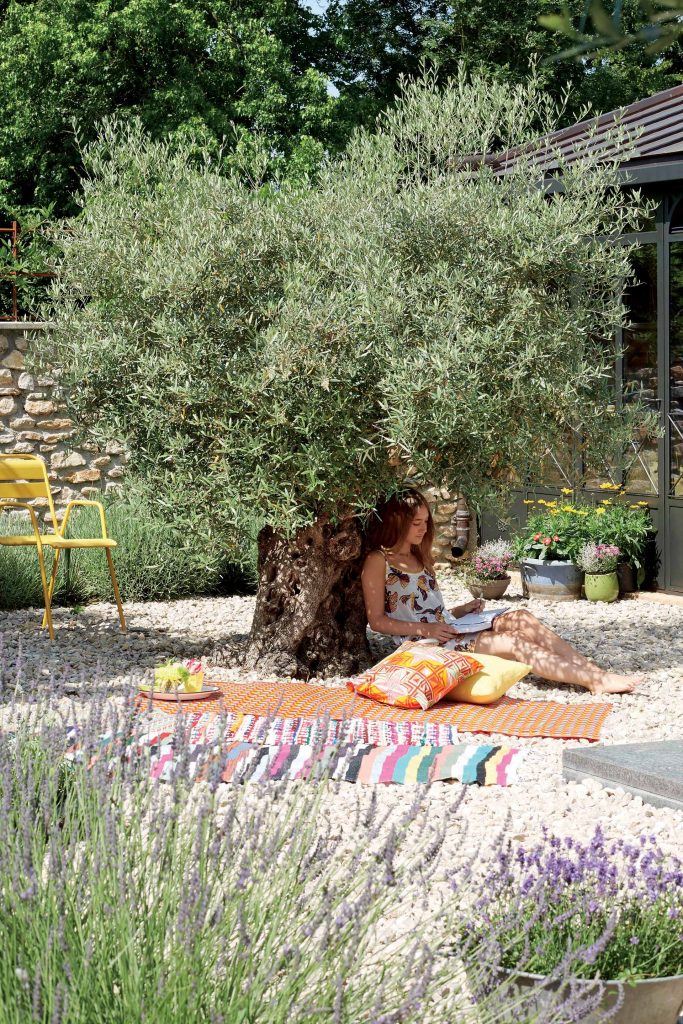
The layout of the garden is not done by chance. Indeed, while inspiration is essential, it is not the only parameter to consider. For satisfactory results, you need to follow a specific plan and adhere to a few rules. Discover simple tips to optimize the decoration of your outdoor space.
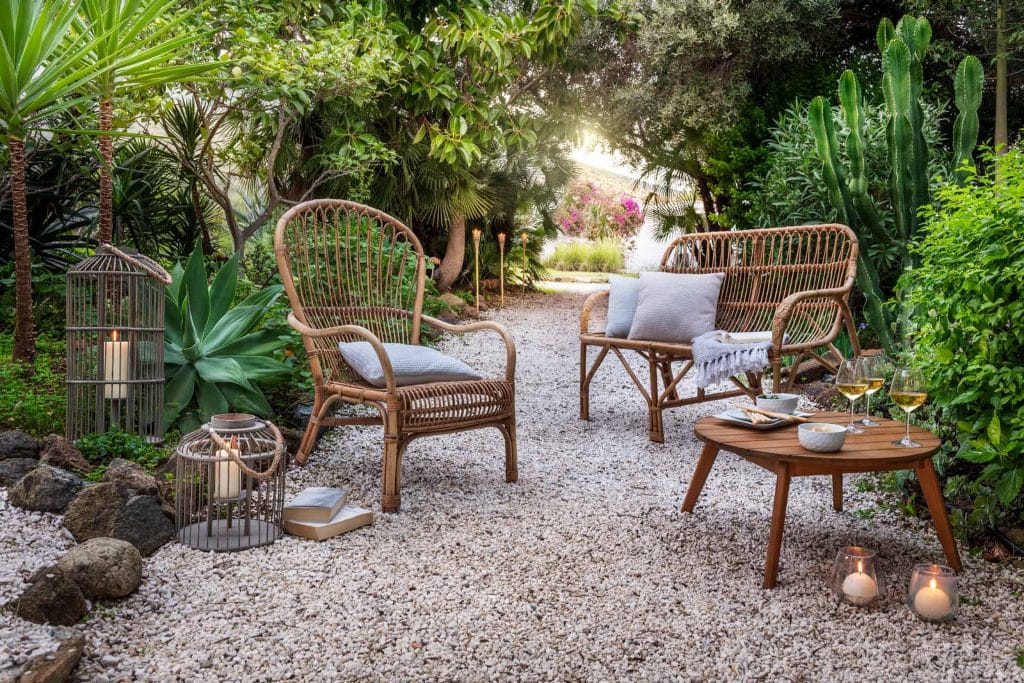
Ideally, you should think of garden decoration like that of the house… or almost! For example: we choose contemporary materials such as rattan to furnish it — SERENITY rattan garden furniture from GiFi Make an inventory of the premises
The first thing to do before touching the garden is to take inventory. The development depends, in fact, on the possibilities offered by the land itself. Thus, it is especially not necessary to rush, but rather take the time to analyze what exists.
- Start by measuring the land by taking its length, width, and area. Also check the nature of the soil and determine whether it is sandy, loamy, clayey, calcareous, or humiferous.
- Next, determine the type of exposure in relation to the house and delineate the shaded and sunny areas. For sunny areas, it is imperative to specify the duration of sunlight per day.
- Make an inventory of all the plants and other decorative elements already present on site, including hedges, the terrace, the vegetable garden, the pool, trees, shrubs, flowers, grass, or the piping and irrigation system.
- Also specify the exact location of the plants and their shape. Some will be removed, others moved, or kept as they are based on the new garden plan.
- Although this first step is long and not necessarily pleasant, it should not be neglected. It saves time for the actual execution of the project.
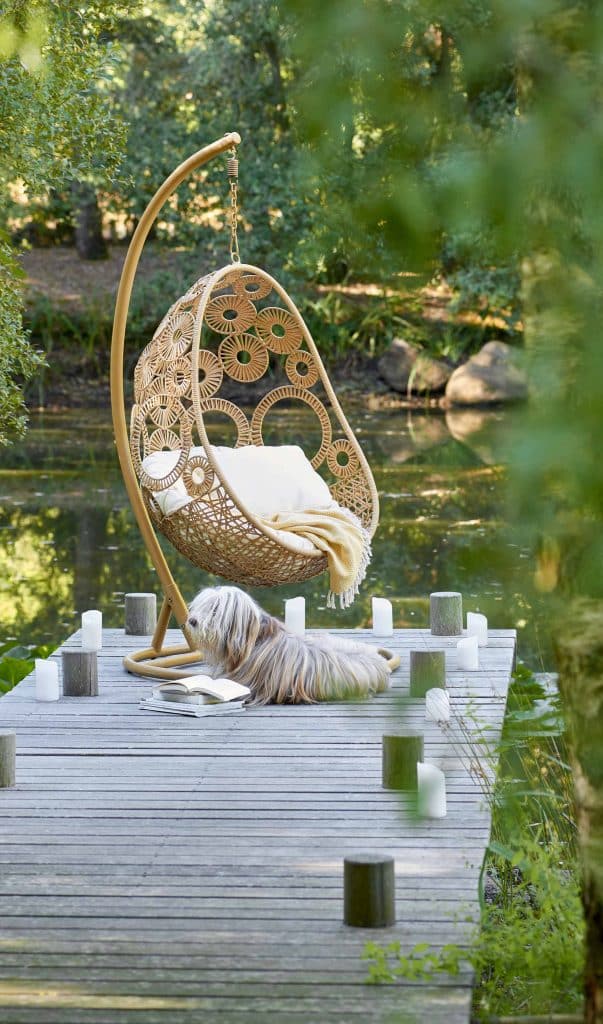
First step before layout: take your time! Time for reflection and analysis of possibilities, desires, needs… and budget. — Rattan swing from Jardiland
Define your goal and create the plan
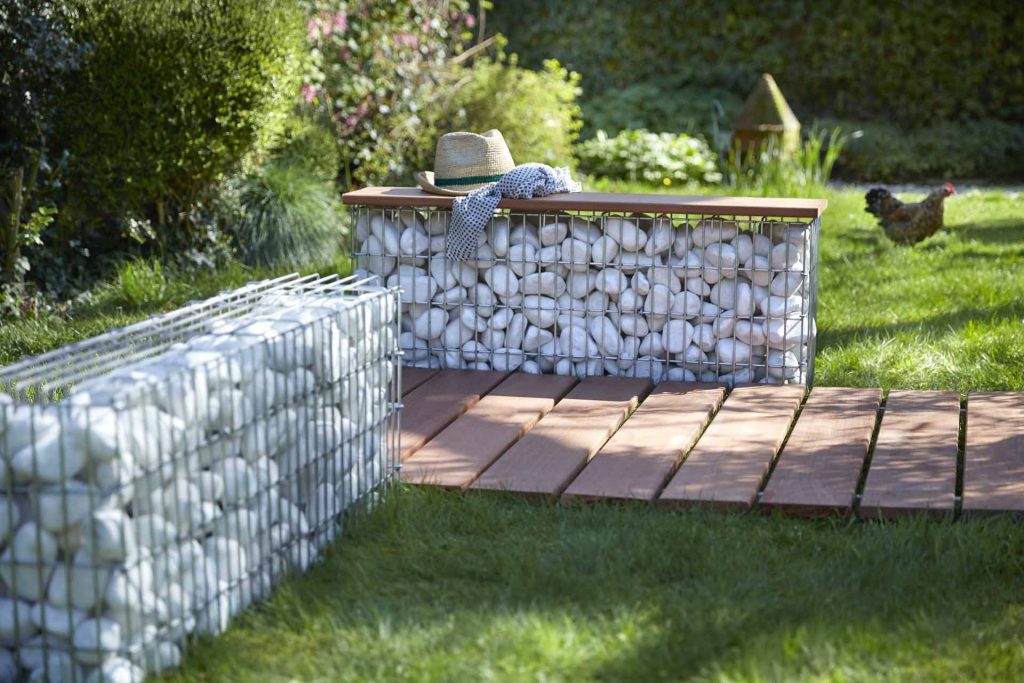
To achieve the desired result, it is imperative to define it in advance, not only in your head but on a precise plan to avoid omitting details. Thus, start by defining the style of the garden by drawing inspiration from models presented in magazines or on specialized websites. Inspirations can be French, Japanese, modern and design, or Mediterranean. Each style can be adopted if it is compatible with the architectural style of the house and the overall ambiance. However, make sure to choose only one so that you have a cohesive environment. For the development of the plan, the ideal is to use 3D software. Designing the garden plan in advance, necessary pathways and separations — Gabions Castorama
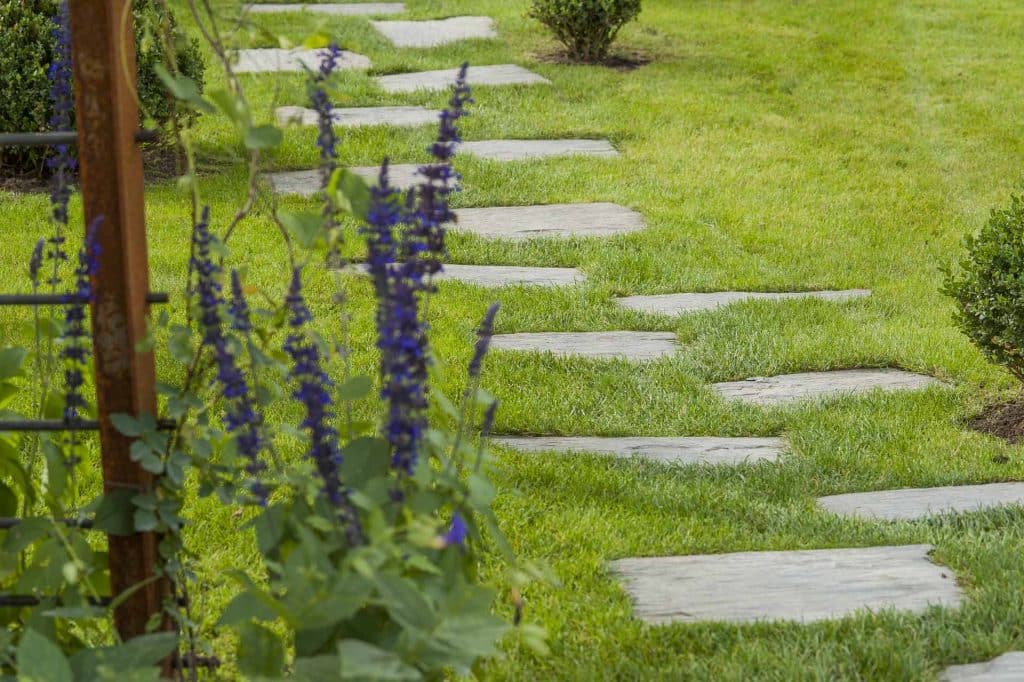
However, a simple drawing on paper can also do the trick. Organize all the elements of the garden with the vegetable patch, flower space, terrace, and fountain, among others. Work by zone before adding fluid elements such as paths or grass Planning the path in the garden allows you to design beautiful, comfortable, and durable walkways — slate-paved path in the middle of the lawn. /International Garden Festival of Chaumont-sur-Loire — F. Marre/Rustica. The materials used and their design must comply with the chosen style. For a modern layout, avoid straight cuts, but prefer geometric shapes. Symmetry and the nature of plants do not make for a good clean-up.
Select and arrange the plants
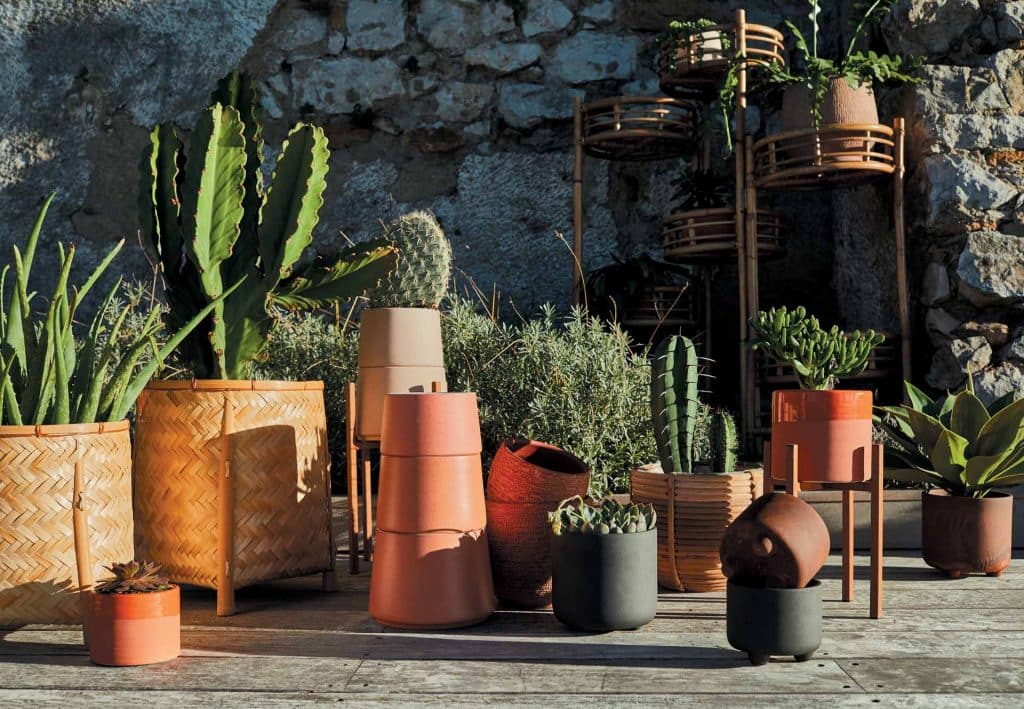 Predicting the different exposures of plants in the ground or in pots to plant without error — Pots Paragraph
The choice of plants depends on a few criteria:
- Plants must be compatible not only with the style of the garden but also and especially with the climate conditions of the region. Therefore, there is no need to buy exotic plants if it is cold all year round.
- The chosen plants should not be too complicated to care for. Certainly, some capricious species are beautiful to see, but they should not be too numerous, as their maintenance takes a lot of time. The trick is to choose evergreen plants as a base and add a few special species and annual plants.
- The growth of the plants must be taken into account before being eliminated. Alternate faster-growing plants with those that are slower. Also, be careful not to clutter fluid spaces. Plants taller than 80 cm should be placed at least 80 cm away from terraces and paths.
- The result must be coherent to be pleasing to the eye. Avoid excessive mixing of colors and play with materials alternating brightness and softness.
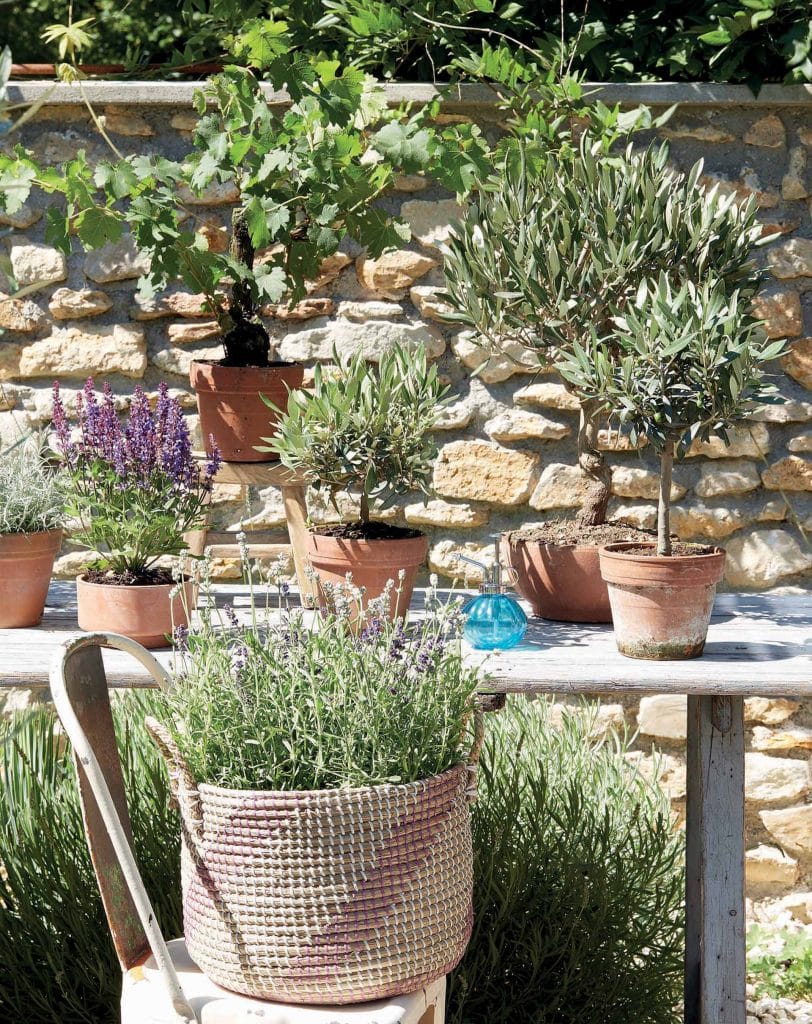 Smaller gardens can be decorated with potted plants arranged in every corner — Truffaut
In fact, the choice of plants is very wide, but it all depends on the space to be developed and the adopted style. The important thing is to inform yourself well. Purchasing plants can be done from nursery shops or specialized websites that will provide advice on species.
Define the use of each area
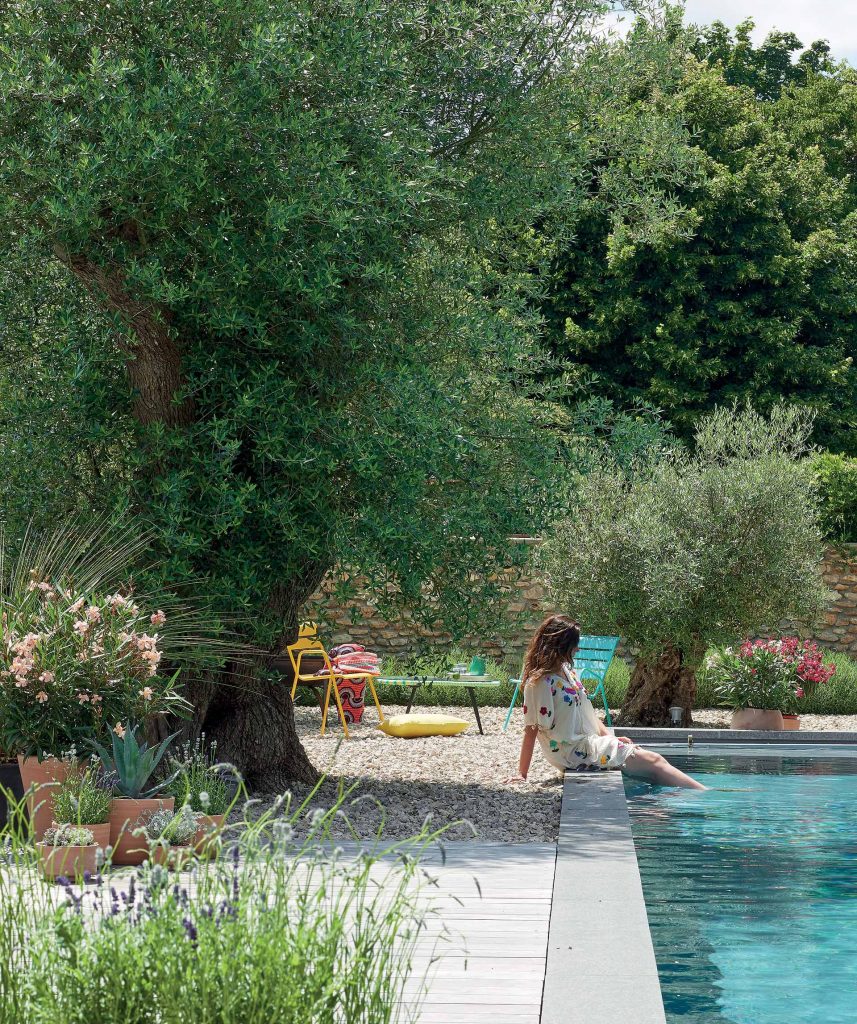
As a living space, the garden is not limited to planting trees and flowers. On the contrary, it can accommodate various daily activities, whether moments of relaxation, family barbecue plans, or even children’s play sessions Define the different areas dedicated to plants, leisure (meals, games, pool), tool storage… — Olive tree near a pool — Truffaut.
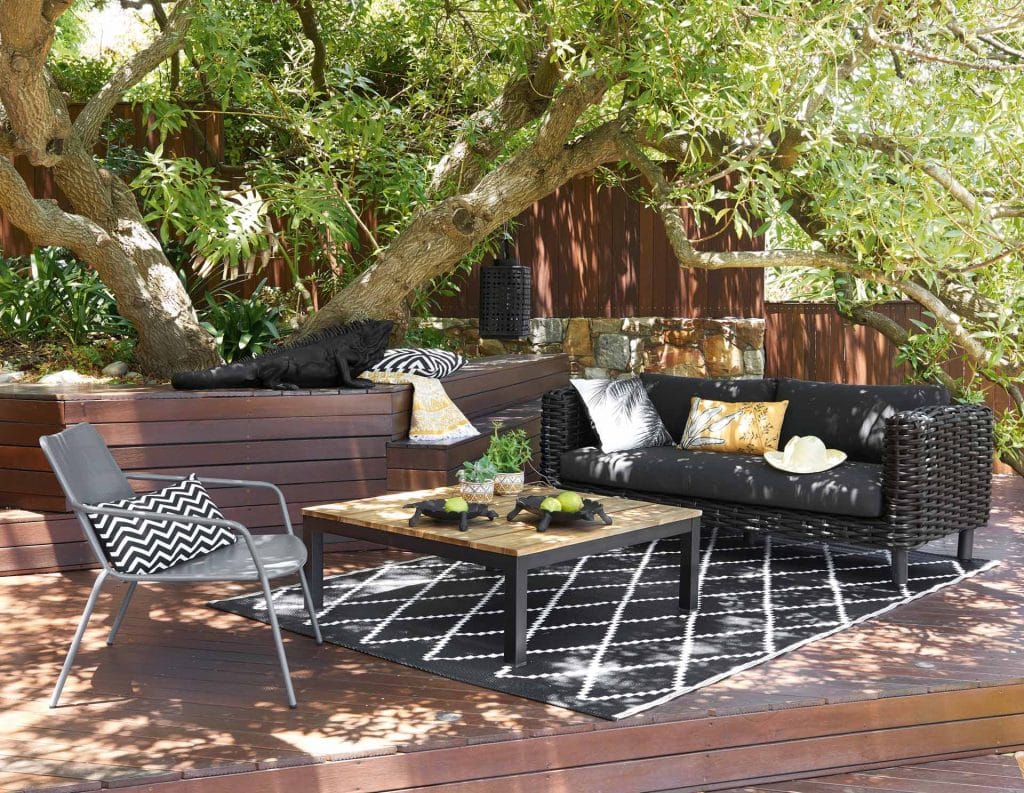
In the shade: the relaxation corner — Garden furniture from Maisons du Monde The possibilities vary depending on the size of the garden. In any case, these areas must be well defined, and the necessary decorative elements must be incorporated into them, including one or two sun loungers for sunbathing, a hammock for solitary moments, or garden furniture for outdoor lunches.
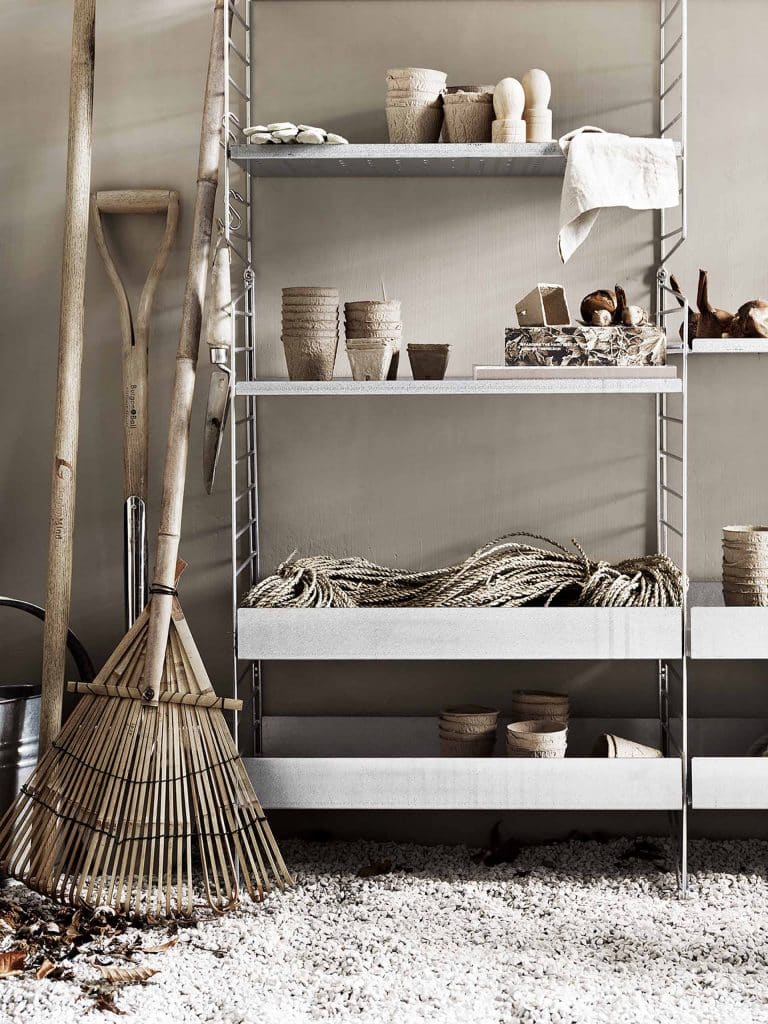
Garden furniture is available in different styles and shapes. Make sure to choose their location correctly and avoid cluttering the space. Only take the main items Out of sight: store garden tools – String garden shelf to not harm the harmony of the whole.
 hammock under alinea
- swing Gifi
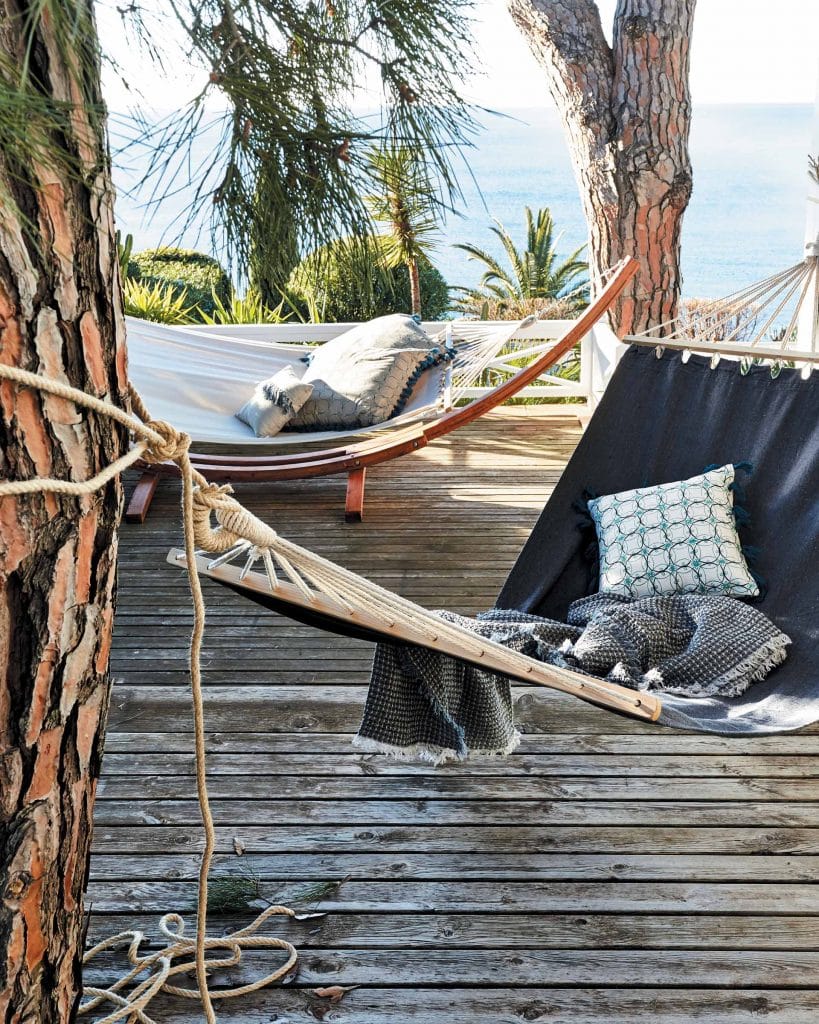 hammock under alinea
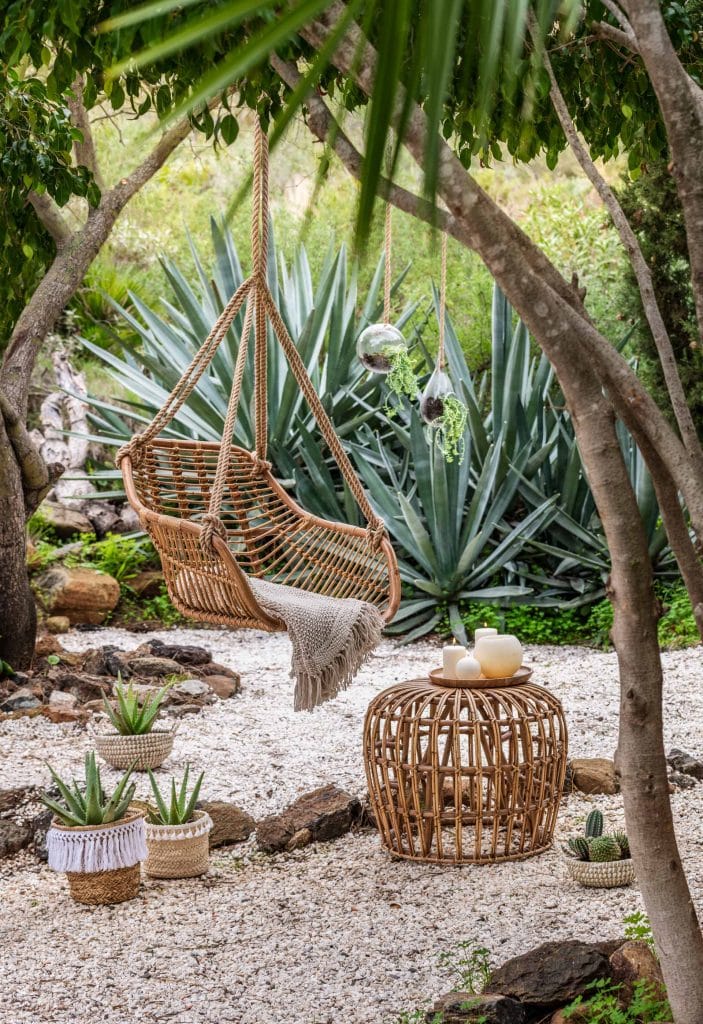 swing Gifi
Visual opening: Provençal garden with olive tree and lavender — Truffaut
Tag: landscaping a garden in the north