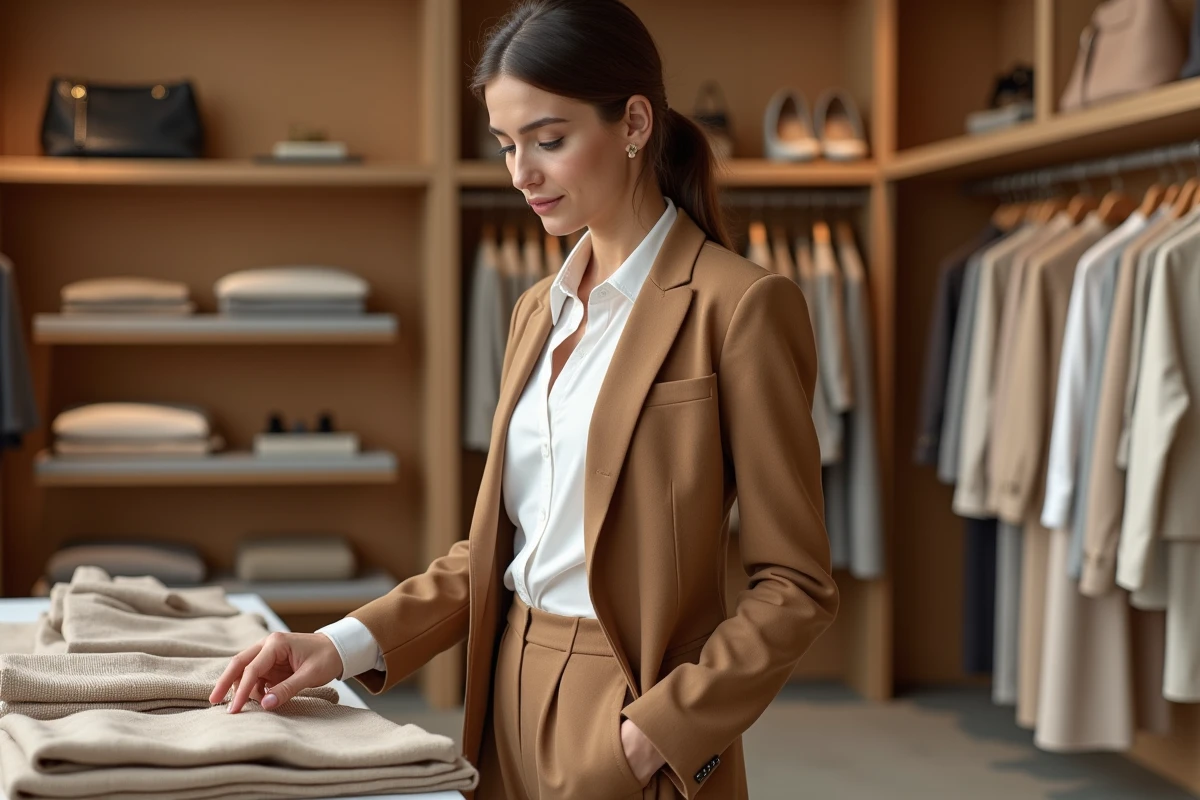
The spring-summer 2026 fashion showcases a multitude of proposals, featuring ample volumes, transparency, and the return of low waists. The runway shows and online collections outline clear directions, and their everyday wearability deserves careful consideration. Understanding these fashion trends of the season requires going beyond a simple list of pieces to examine what truly works once off the runway.
Balance between volume and structure: the styling logic to remember
Among the strong directions of the season, the contrast between loose pieces and structured elements stands out. The principle is based on a play of opposition: wide trousers or barrel jeans paired with pointed-toe ankle boots, or an oversized sweater tucked into a fitted skirt.
This approach is not new, but it is becoming more radical this season. The silhouettes presented by the collections combine generous cuts either on top or bottom, never both simultaneously. The result gives a controlled look without rigidity, suitable for both the office and a weekend in the city.
For those looking to learn everything about Zaza Mode and its selections of current pieces, this styling logic guides a significant portion of the season’s choices. The principle remains simple: one strong volume per outfit is enough to create the desired effect.
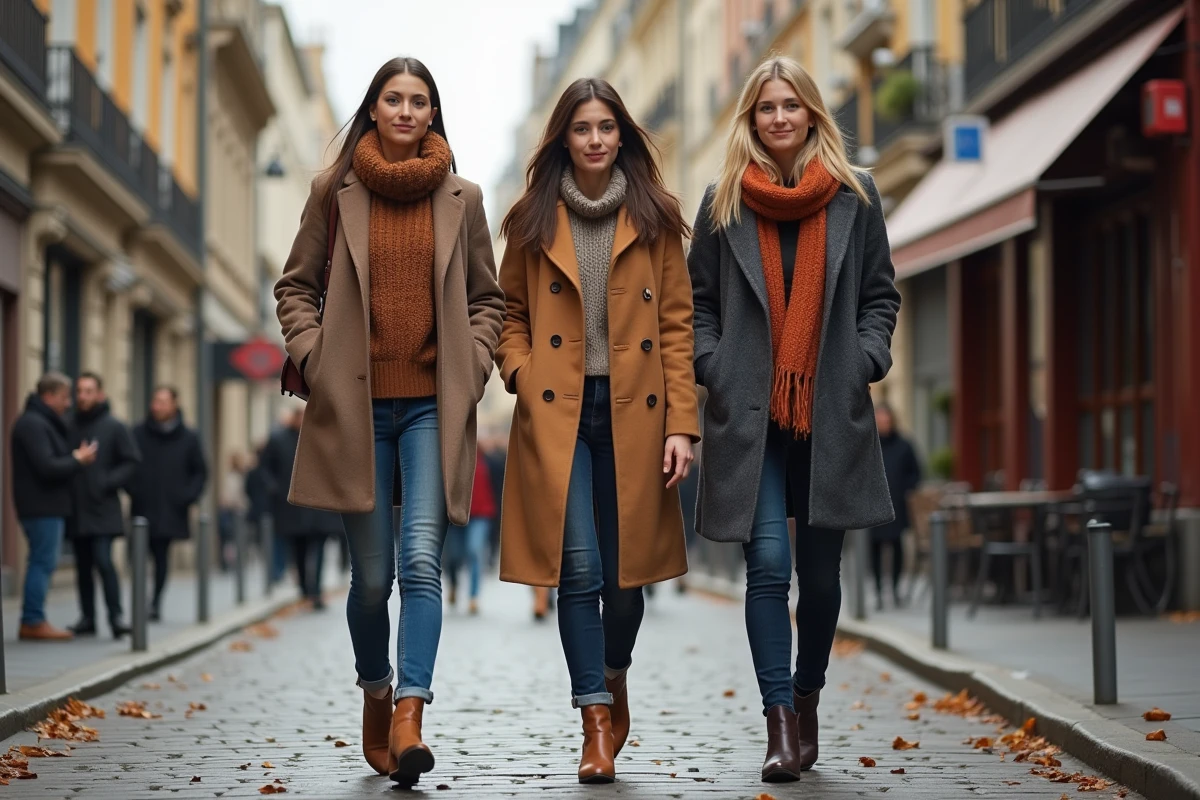
Spring-summer 2026 fashion trends and real wearability
Fashion articles readily list key pieces (transparency, lace, lingerie inspiration, fringes, clogs) without addressing their concrete limitations. The wearability of these trends varies greatly depending on the living context.
Transparency and lace in everyday life
Transparency returns to the runways every season. In practice, wearing a transparent top or a fine lace dress at work or on public transport raises questions of opacity and layering. Most of the proposed pieces require a technical undergarment or a matching bralette to function outside of a photo shoot.
Caring for lace remains demanding: hand wash, flat dry, fragility to snags. Feedback from the field varies on this point, with some brands now offering more durable synthetic laces, but the visual aspect suffers.
Low waist and loose silhouettes
The return of the low waist, combined with wide or baggy cuts, creates very different visual effects depending on body shapes. Collections almost never provide an adaptation guide, while the height of the waist radically alters perceived proportions.
A low waist works better with a short, fitted top, which contradicts the simultaneous trend for volume on top. The choice between these two directions requires a decision that magazines leave to the reader without providing concrete references.
Seasonal colors and materials: what to wear in high heat
The palettes announced for spring-summer 2026 revolve around bright shades (emerald green, butter yellow, cobalt blue) and lightweight materials like linen or airy cotton. These choices respond to an obvious seasonal logic, but a few nuances deserve to be noted.
- Linen wrinkles within the first hour of wear. Pieces made from blended linen (with some viscose or polyester) hold up better but lose breathability, which partially negates the material’s appeal.
- Butter yellow, very present in the collections, proves difficult to match with usual dark basics. It works better as a strong statement piece (a short jacket, a dress) than in a total look.
- Bright colors on thin fabrics reveal undergarments more. The choice of nude matching the skin tone becomes a factor to anticipate, rarely mentioned in trend guides.
Light cotton remains the most versatile material for hot days, provided that a sufficiently dense weight is chosen to avoid unwanted transparency.
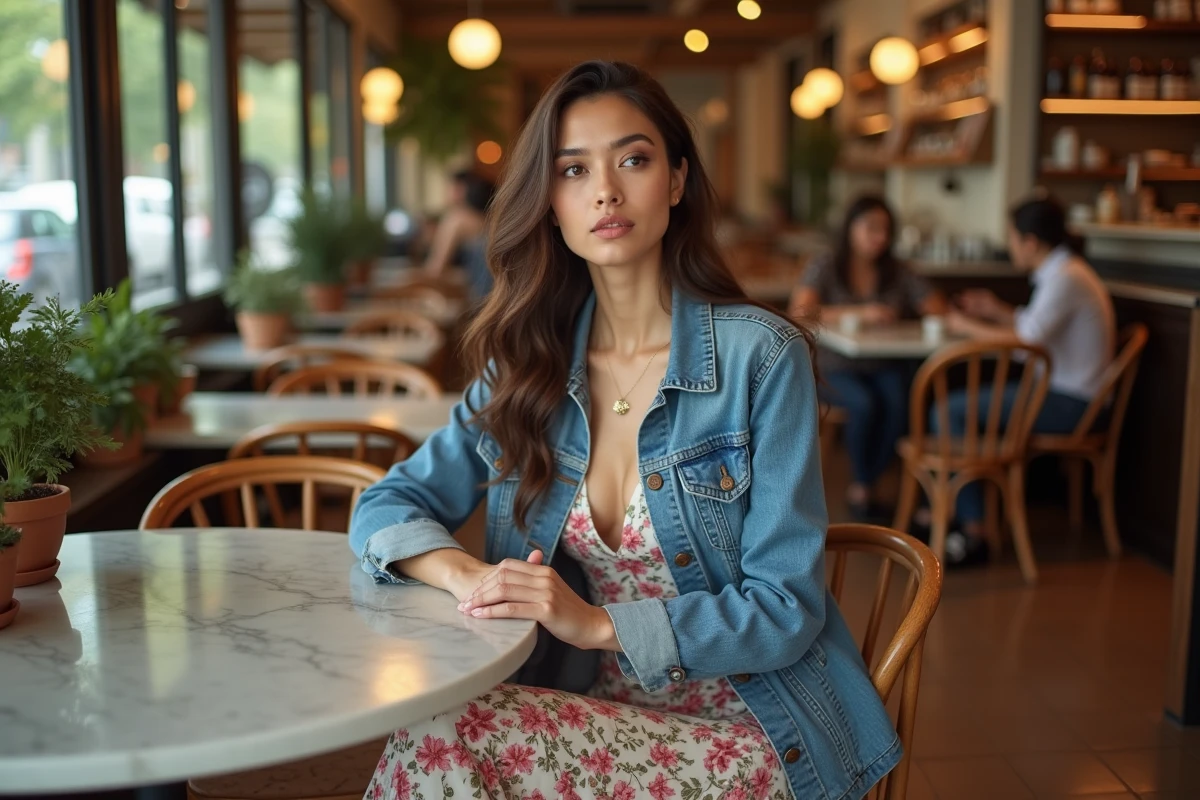
Women’s fashion selection: choosing pieces based on trend durability
Not all trends have the same lifespan in a wardrobe. Some pieces of the season fall under updated basics, while others are fashion signals with a limited duration. Distinguishing between the two helps avoid regrettable purchases by September.
Wide trousers and a colorful short jacket belong to the first category. These pieces span several seasons because they integrate into various outfits. A pair of wide canvas trousers can be worn from spring to autumn without a stylistic mismatch.
On the other hand, clogs, fringes, and very bold prints (XXL patterns, repeated logos) correspond to micro-trends whose lifespan rarely exceeds two seasons. The history of fashion cycles suggests a rapid decline for these pieces by the start of the school year.
Three criteria for deciding on a seasonal purchase
- Can the piece be worn with at least three outfits already in your wardrobe? If the answer is no, the cost per use will be high.
- Does the material withstand regular machine washing? Pieces requiring dry cleaning or specific care often end up at the back of the closet.
- Does the cut match your real lifestyle (walking, public transport, prolonged sitting)? A long, flowing dress loses its allure when stuck in a subway seat.
The spring-summer 2026 season offers a wide range of directions, from bohemian to structured minimalism. The most reliable guiding thread remains the balance between controlled volume and materials suited to heat. A pair of loose, dense cotton trousers, a colorful short jacket, and a fitted top cover most situations of the season.