Ranking energies by their cleanliness requires defining the scope of analysis. Comparisons limited to emissions during use are outdated: since 2023, the European green taxonomy and multilateral financing frameworks require an assessment over the entire life cycle (extraction, manufacturing, operation, decommissioning). This change in reference framework redistributes positions among sectors.
Life Cycle Analysis: The Only Reliable Criterion for Comparing Clean Energies
The LCA (Life Cycle Assessment) approach incorporates emissions related to the manufacturing of equipment, transportation of materials, maintenance, and end-of-life recycling. On this basis, photovoltaic solar, wind, and nuclear show very similar life cycle carbon intensities, all significantly lower than those of natural gas, even accounting for methane leaks.
Solid biomass, long considered renewable without distinction, comes out worse in this framework. When supply relies on intensive harvesting, its actual carbon footprint is closer to that of fossil fuels than to that of wind energy. We observe that several multilateral banks now condition their “sustainable” financing on a verified LCA score, effectively excluding certain biomass projects.
For those wishing to consult an overview of the cleanest energy, the LCA reading grid remains the recommended starting point before any comparison between sectors.
Nuclear and Offshore Wind: Two Underestimated Low Carbon Sectors in Public Debate
Nuclear remains one of the least CO2-emitting sources of electricity per kilowatt-hour produced over its entire cycle. The European taxonomy recognized it as a transition activity in 2022, under strict conditions for waste management and safety. In France, this sector accounts for the majority of electricity production and directly contributes to maintaining one of the lowest carbon intensities in Europe.
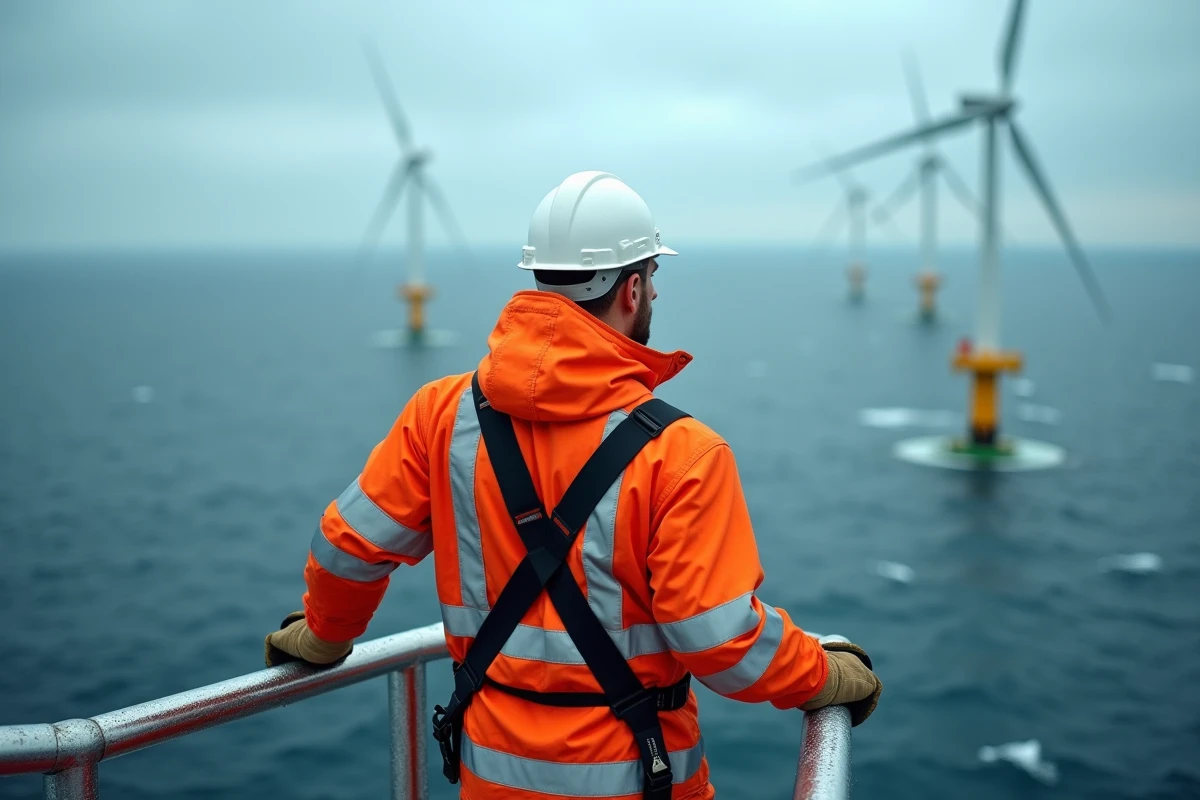
Offshore wind, on the other hand, benefits from higher capacity factors than onshore wind. The winds at sea are more consistent and stronger, improving the yield per installed turbine. The high capacity factor reduces the carbon cost per kWh produced over the lifespan of the park.
Why These Two Sectors Are Complementary
Nuclear provides stable base load production, independent of weather conditions. Offshore wind offers variable but predictable production over a few days. Their combination in an electricity mix helps limit reliance on gas plants for balancing, thereby reducing the overall emissions of the system.
We recommend not to oppose these sectors: their technical complementarity is a concrete lever for decarbonizing the grid.
Photovoltaic Solar: Increasing Yield, but Vigilance on the Supply Chain
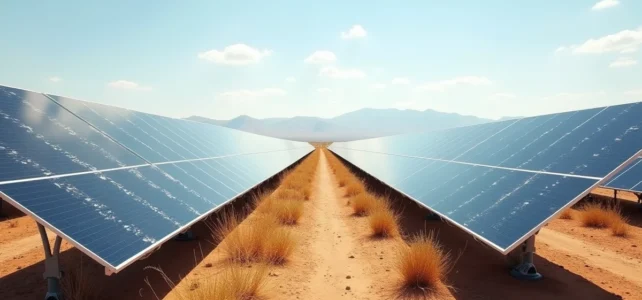
Photovoltaic solar has seen its production costs drop in recent years, making it the most deployed renewable electricity source in the world. Its life cycle carbon footprint remains low, provided that two often-overlooked parameters are taken into account.
- The extraction of silicon and rare metals involves energy-intensive processes. If the electricity used to manufacture the panels comes from coal-fired power plants, the carbon footprint of the final module significantly deteriorates.
- End-of-life recycling is not yet industrialized on a large scale in Europe. The European WEEE directive covers the panels, but treatment sectors are still being structured.
- The geographical origin of manufacturing directly influences the carbon footprint of a solar panel. A module produced with decarbonized electricity shows a much better LCA score than an identical module manufactured in a coal-dependent country.
The development of agrivoltaics (panels installed above crops) opens an interesting avenue for reconciling electricity production and land use, provided that projects respect agricultural yields.

Biomass and Geothermal: Two Cases Where Cleanliness Depends on Local Context
Biomass is renewable by definition, but renewable does not automatically mean clean. Power plants fueled by local forest residues, in a short supply chain, show an acceptable balance. Large installations of pellets sourced from intensive harvesting on the other side of the world present a radically different carbon profile.
Between 2022 and 2024, several studies documented the climate and health impact of burning solid biomass when forest management is insufficient. The European Commission has strengthened the sustainability criteria applicable to this sector in the RED III directive.
Geothermal: Clean but Geographically Constrained
Deep geothermal produces heat and electricity with very low emissions. Its main limitation is geological: exploitable resources at reasonable cost are concentrated in areas with high thermal gradients. In France, the Paris Basin and Alsace have identified resources, but the potential remains limited compared to wind or solar in terms of installable capacity.
- Surface geothermal (geothermal heat pumps) can be deployed almost everywhere and reduces gas consumption for residential heating.
- Deep geothermal requires costly drilling and prior geological characterization.
- The risks of induced micro-seismicity must be evaluated site by site, which extends project development timelines.
The energy transition does not rely on a single sector. The cleanest mix combines nuclear, wind, solar, and geothermal according to local resources, excluding solutions whose life cycle balance does not withstand rigorous scrutiny. Biomass retains a place, but framed by strict sustainability criteria. Each territory must arbitrate based on its geology, sunlight, and existing network, not on a theoretical ranking disconnected from the field.